
ZRAY Medical Device and Pharmaceutical Carton Erecting and Sealing Equipment (Cleanroom-Ready, Up to 40 CPM) | ZRAY
Pharmaceutical secondary packaging is unforgiving. The carton erector sits between a validated filling line and a serialization station, it runs coated and medical-grade boards that behave differently from retail corrugated, and it must keep dust and particle generation under control while forming hundreds of thousands of boxes a year. ZRAY builds automatic carton erecting and sealing equipment for exactly this environment — machines configured for cleanroom-compatible operation, controlled scrap, and the material handling discipline pharma plants require. This guide covers the specification points that matter when you buy an erector for medical device or pharmaceutical cartons: board selection, sealing options, dust control, traceability interfaces, and the parameters to put in your URS.
What Pharma Lines Actually Demand From an Erector
- Predictable output with zero case damage. Damaged or distorted cartons fail downstream vision inspection and become rejected units at the serialization camera — the most expensive place to lose a box.
- Low particle generation. Friction points (vacuum cup drag, rail contact) shed fibers. On cleanroom lines, the erector should minimize contact surfaces and keep them in clean zones.
- Traceability-compatible discharge. The machine must hand off boxes one-by-one at a defined pitch to match a labeler or serialization buffer, not dump stacks that break the sequence.
- Material flexibility. Pharma runs coated one-side (C1S) boards, solid bleached sulphate (SBS), and micro-corrugated in addition to standard single wall. Feed and fold settings must handle slick, slippery surfaces without scuffing.
- Documented qualification support. Your engineering team needs a clean machine manual, clear I/O mapping for the line PLC, and support for FAT using your actual carton samples.
Board Grades That Work in Pharma Secondary Packaging
| Board type | Thickness | Typical grammage | Why it is used |
|---|---|---|---|
| Single wall B flute | 2.5–3.0 mm | 250–400 gsm | Standard folding carton carrier; economical |
| Single wall E flute | 1.5–1.8 mm | 200–350 gsm | Stiff, smooth print surface for cartons with heavy graphics |
| C1S / SBS board (folding carton) | 0.4–0.8 mm (board) | 200–350 gsm | Printed folding cartons for vials, blisters, devices |
| Micro-corrugated E/N | 1.2–2.0 mm | 200–300 gsm | Device cartons needing crush resistance without bulk |
| Double wall EB | 4.5–5.5 mm | 350–450 gsm | Heavy medical device shipping cases (used downstream, not on the erector) |
The folding-carton grades (SBS, C1S) are the tricky ones: their slick coated surface has low friction, so vacuum timing and folder settings must be tuned to avoid double-feeds and scuff marks. ZRAY machines set feed and fold parameters per board grade and store them in recipes, the same way they handle corrugated size changes.
Sealing Options: Hot Melt vs Tape for Pharma Cartons
| Criteria | Hot melt | Tape |
|---|---|---|
| Typical application | Bottom-seal RSC / HSC cartons on the erector | Cases and cartons where tamper-evidence tape is specified |
| Seal strength | Fiber-tear bond when board is coated correctly | Shear strength depends on tape grade |
| Consumable | EVA hot melt, 150–170 °C tank | Tape rolls, spliced or pre-applied |
| Cleanroom impact | Vapor and heat near the head; keep in ventilated zone | Minimal; tape dust is lower |
| Serialization impact | None — seal happens before printing | None if tape is applied at the erector |
| Regulatory note | Seal integrity proven by peel tests; document the process | Document tape lot for traceability |
For device and pharma lines we typically recommend hot melt bottom seal on the erector for cartons, because it removes the possibility of tape misapplication and gives a repeatable bond that survives handling through inspection and cartoning. For outer shipping cases on the same line, a separate case erector or the tape option on the machine handles the heavier board.
Cleanroom and Dust-Control Configuration
- Motor and control cabinet arrangement to keep heat and airflow away from the product zone; electric drives where possible instead of heavy air exhaust.
- Minimize compressed-air blow-off points in the forming area; each blow-off is a particle generator. Use vacuum pick-up and mechanical folding where possible.
- Guide and folder surfaces in the clean zone are specified with low-abrasion finishes to cut fiber shedding.
- Scrap control: pre-cut board dust, slit edges and mis-feeds are captured at defined collection points instead of dropping to the floor.
- Material routing: the machine frame can be finished for periodic washdown with wipes; confirm the finish grade with our engineers for your cleanroom class.
Traceability and Serialization Interface
- One-by-one case discharge at fixed pitch — the machine indexes each formed, sealed case onto the transfer so a labeler or camera buffer never loses order.
- Photo-eye confirmation per cycle — “case complete” signal per unit, not per batch.
- Fieldbus status (Ethernet/IP, PROFINET, Modbus TCP) so the line historian can log erector state per case for batch records.
- Optional print-and-apply integration — the erector discharge can be timed to an existing labeler rather than replacing it.
Technical Parameters for the URS
| Parameter | Single-piece config | Double-head config |
|---|---|---|
| Forming speed | up to 30 CPM | up to 40 CPM per head |
| Carton size range (L × W × H) | 200–600 × 150–500 × 100–500 mm | 200–600 × 150–500 × 100–500 mm |
| Board thickness range | 1.5–7.0 mm (single/double wall) | same |
| Air pressure | 0.5–0.7 MPa | 0.5–0.7 MPa |
| Air consumption | approx. 150–300 L/min | approx. 300–500 L/min |
| Glue tank temperature | 150–170 °C | 150–170 °C |
| Electrical components | Siemens, Schneider | same |
| Pneumatic components | SMC | same |
| Certification | CE, EAC | same |
Put these numbers in your URS so the vendor quote is comparable across suppliers.
PLC Alarm Codes for a Pharma-Qualified Line
| Code | Alarm | Fix | Documentation impact |
|---|---|---|---|
| 102 | Vacuum Low | Replace cup, clean filter | Record in line log; retest 3 cases |
| 207 | Box Not Formed | Re-check folder/rail settings | Reject any affected cartons |
| 312 | Glue Temp Low | Wait for recovery | Hold discharge; no untested cases |
| 316 | Glue Level Low | Refill tank | None, but log refill |
| 405 | Servo Axis Overload | Clear jam, re-home | Verify dimensions on next case |
On pharma lines, never auto-clear an alarm and let the machine resume without verification. Program the line PLC to flag the affected batch segment so QA disposition covers the right cartons.
Maintenance in a Pharma Plant
| Interval | Task |
|---|---|
| Daily | Wipe clean-zone surfaces; check cup rubber; verify bead on first 3 cases |
| Weekly | Purge glue nozzles; check filters; verify photo-eye timing |
| Monthly | Clean glue tank; check folder/rail play; verify recipe backups |
| Quarterly | Replace cups; inspect clean-zone finishes for wear; check servo calibration |
| Semi-annual | Full glue module service; pneumatic leak test; electrical torque audit |
Medical Device Cartons: Special Cases
Device packaging adds constraints pharma vials do not:
- Small, thin folding cartons. Syringes, test strips and device accessories often run in 0.4–0.8 mm SBS board. That board feeds differently from corrugated: lower vacuum, tighter folder timing, and mandrel surfaces with a non-marring finish so print does not scuff.
- Tray-in-carton loading. Many devices ship as a thermoformed tray inside a carton. The erector must square the carton tightly enough that the tray loads without jamming the opening, but not so tight that the carton bows.
- Mixed-size runs on one line. Device lines often change carton size several times per shift. Recipe storage on the ZRAY HMI makes these switches a matter of recall, not re-tooling.
- Packaging material impact on inspection. Scuffed or curled cartons fail the downstream camera regardless of product quality. If your reject rate at inspection is high, check the erector before blaming the printer — damaged blanks are often folded, not printed, wrong.
Validation and Documentation Support
Pharma qualification is paper-driven, and the machine’s paperwork is part of the purchase:
- Clean machine manual with a full I/O map and parameter list — the file your validation engineer needs for the line PLC integration and for FAT protocols.
- CE and EAC certification documents to include in the equipment dossier.
- FAT on your actual cartons before shipment, with remote video witness for your QA team — the machine arrives pre-matched to your board grades and fold geometry.
- Change and configuration records maintained through the 12-month warranty so your calibration and maintenance audit trail stays consistent with plant SOPs.
Ask for these documents in writing at the RFQ stage. A vendor that ships the machine without a complete I/O map costs you weeks of validation time later.
Where This Fits in Your Line
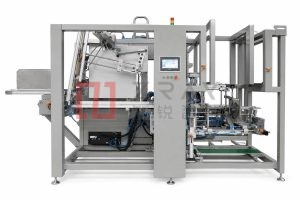
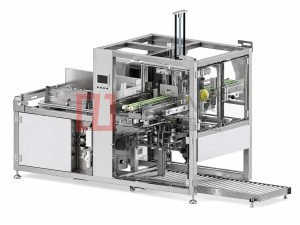
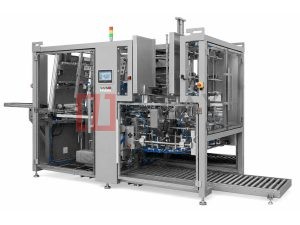
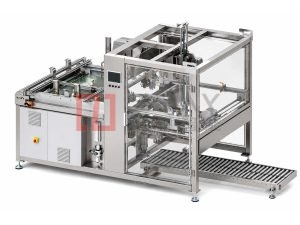
For a dedicated pharma cell, the Single-Piece Case Erector handles bottom-sealed cartons with the cleanroom configuration. For plants that also produce heavy shipping cases on the same floor, the Three-Piece Case Erector covers heavier corrugated for outbound logistics, and the Double-Head High-Speed Case Former serves high-volume packaging cells where speed per head must stay above 30 CPM.
Qualify the Machine With Your Own Cartons
Specify the erector before the line is frozen. We support FAT with your actual carton samples, remote video witness, and CE/EAC documentation — so the machine arrives already matched to your board grades and your quality procedures. During the 12-month warranty, remote diagnosis covers signal and configuration issues.
Send Us Your URS
Forward your URS, carton samples and cleanroom class, and our engineers will confirm the configuration, dust-control options and discharge interface before you commit. Replies within 24 working hours.
- Email: [email protected]
- WhatsApp: +86 13681839278
- Inquiry form: https://www.cartonerecting.com/en/contact/
Want To Know More About Our Upgraded Machines?
Send your carton specifications and output demand, our engineer will provide free technical scheme & quotation
Latest Products
Subscribe To Get Latest News & Technical Guides
Leave your business email to receive free industry articles and new product updates