
Carton Erector Cardboard Jamming Troubleshooting: ZRAY Field Guide (2–5 min Fix Time) | ZRAY
Cardboard jams are the number one reason operators call support on any carton erecting machine. From our field data across beverage, food, and e-commerce installations, roughly 70% of jams trace back to four root causes: worn suction cups, wrong board moisture, misadjusted flap folders, and pressure drop in the air or vacuum system. The remaining 30% are combination faults that look mechanical but start with one of those four.
This guide is written from the service side, not the brochure side. We list each jam zone, the exact symptom, the cause ranking, and the fix steps in the order we check them on site. Most fixes take 2–5 minutes. A few require a quarterly maintenance window. Every machine we ship carries the same Siemens PLC alarm structure below, so you can search by code.
Jam Zones and How to Read the Symptom
A jam announces itself differently depending on where the blank gets stuck. Before touching anything, identify the zone:
| Zone | Where the blank stops | Typical symptom |
|---|---|---|
| A. Magazine / pick-up | Blank stays in stack or only one corner lifts | No box feeds; motor runs but no blank moves; VAC-LOW alarm |
| B. Squaring station | Blank half-erected, flaps splay | BOX-NOT-FORMED alarm; partial fold; box pops out crooked |
| C. Flap folding / sealing | Box moves but flap hits folder edge | Burnt flap edge, tearing; jam sensor triggers after several tries |
| D. Outfeed / conveyor | Box upright but stalls at transfer | Box not formed quickly enough; downstream sensor timing; loader wait alarm |
The fastest diagnostic we use: read the alarm code on the HMI first, then look at the zone. The code narrows the cause list in half.
Root Cause 1: Worn Suction Cups and Weak Vacuum
Symptom: blank lifts at one corner only, or drops mid-transfer. Alarm VAC-LOW appears.
Causes in order of probability:
- Cup lip wear. A worn lip cracks, letting air in, so holding force drops. We replace cups at 6,000 operating hours as a set — not one at a time. Two cups from different wear stages on the same pick head produce asymmetric lift and corner jams.
- Vacuum generator filter clogged. Polyester filter elements pick up cardboard dust over weeks. Check the element monthly; replace quarterly.
- Line leaks. A loose fitting between the vacuum generator and the cup block loses pressure you cannot see. Use a soap test on fittings when VAC-LOW appears without visible cup damage.
- Wrong cup for the board. Hard cups fight embossed or high-grammage board; soft silicone cups hold porous recycled board better. Match the cup hardness to the board surface, not to habit.
Fix steps: shut off air, inspect cups, replace worn set, clean/replace filter, soap-test fittings, then verify pick pressure at the cup with the vacuum gauge. Target: no blank drop in 50 consecutive cycles.
Root Cause 2: Board Moisture and Board Quality
Symptom: random jams that move zones between shifts, worse on Monday mornings or after rainy weekends. No single alarm repeats.
This is the most misdiagnosed cause on the list. Corrugated board stored in humid warehouses absorbs moisture. Above 12% moisture, board behaves differently: flaps curl, scores relax, suction cups slip on the surface, and hot melt loses bond. The machine looks faulty; the board is the fault.
Fix steps:
- Measure board moisture with a handheld pin-type meter at the feed end. Reject above 12–13% for erector feed.
- Store blanks flat, off the concrete floor, wrapped, with the warehouse at 40–60% relative humidity. A single rainy weekend without wrapping will curl a pallet of E-flute.
- If you must run damp board, reduce speed by 15–20% and increase suction pick delay by 0.2–0.5 s. This is a workaround, not a fix — treat damp board as a supply problem.
- Check score depth. Shallow scores create a hinge that stalls flap folders; re-cut scores to 40–60% of board thickness.
Low-grammage recycled board (soft, floppy) deserves its own note: it feeds fine with silicone cups and a vacuum boost, but it will jam if the magazine spring pressure is set for virgin board. Reduce magazine pressure for recycled stock.
Root Cause 3: Flap Folder and Squaring Misalignment
Symptom: box erects but exits tilted; flap edges catch on folder blades; BOX-NOT-FORMED repeats.
- Flap folder timing. The folder moves before the box reaches the stop, so the flap edge rides the blade. Adjust the folder cam/servo timing so the fold starts only when the box is square against the stop.
- Folder blade height. A blade set too low drags across the board face and tears the print. Set the blade gap to one board thickness plus 0.5–1.0 mm.
- Squaring mandrel wear. On high-volume lines the mandrel face wears, letting the box drift 1–2 mm. Inspect at quarterly maintenance; rebuild or replace at annual overhaul.
- Magazine side guides. Loose guides let the blank twist as it feeds. Guides should touch the blank stack with light contact, not squeeze it.
We log this one carefully because flap folder faults produce the “mystery jam” pattern — the operator swears the machine is fine until a box exits crooked. If boxes exit straight but jams still occur at the folder, record 20 consecutive boxes on camera and replay; the fault is almost always visible in the first two folds.
Root Cause 4: Air Pressure Drop
Symptom: intermittent jams across all zones; cylinders slow; AIR-LOW alarm on peak demand.
- Main air below 0.5 MPa. The machine needs 0.5–0.7 MPa at the machine inlet, not at the compressor. Measure at the regulator, not at the compressor.
- Filter water. A clogged, water-logged air filter bowl strangles flow. Drain daily, replace element every 6 months.
- Undersized compressor. When the erector shares a compressor with blow-off nozzles and other lines, peak demand collapses pressure. Measure the pressure dip during a burst cycle; if it drops below 0.5 MPa, add a receiver tank or dedicated compressor.
- Leaks in flexible hoses. Worn quick-fit couplings leak under vibration. Check the full air path during a pressure-hold test (close main, watch gauge: loss over 0.05 MPa in 5 min means a leak).
Air quality is doubly important for the glue system: water in the air cools and contaminates the hot melt through the pneumatic lift. We include a water separator on the erector inlet as standard on humid-climate shipments.
PLC Alarm Code Reference (ZRAY Siemens Platform)
These codes match the machine manual and the HMI alarm log. Use them to cut diagnosis time.
| Code | Meaning | Primary cause check | Estimated fix time |
|---|---|---|---|
| VAC-LOW | Vacuum pressure low | Cups, filter, leaks | 5–15 min |
| AIR-LOW | Supply pressure low | Filter, regulator, compressor | 5–30 min |
| BOX-NOT-FORMED | Blank not squared | Scores, magazine, folder timing | 10–20 min |
| FLAP-JAM | Flap caught at folder | Blade height, timing, score depth | 5–15 min |
| OUTFEED-JAM | Box stalled at outfeed | Sensor, conveyor timing | 5–10 min |
| GLUE-TEMP-LOW | Glue below setpoint | Warm-up, thermocouple, heater | 30 min |
| GLUE-PRESSURE-HIGH | Nozzle blocked, pressure spikes | Nozzle insert, pump | 10–20 min |
| MAG-EMPTY | Magazine empty | Feed, replenish blanks | 1–2 min |
Maintenance Schedule That Prevents Jams
Jams are a maintenance event, not a production event. The schedule below is what we print on the machine panel.
| Frequency | Task |
|---|---|
| Daily | Drain air filter; wipe glue nozzles; check suction cups for cracks; confirm safety interlocks |
| Weekly | Check magazine spring pressure and blank alignment; grease flap folder pivots; verify vacuum generator filter state |
| Monthly | Clean vacuum filter element; check glue tank level and temperature; verify conveyor belt tension; inspect hoses for chafing |
| Quarterly | Replace vacuum filter; inspect squaring mandrel wear; check cylinder rod seals; torque frame bolts |
| Semi-annual | Replace suction cups as a set; descale glue tank; re-check score settings against current board supplier |
| Annual | Rebuild flap folders and mandrel; pressure-test pneumatic system; verify all alarms against the manual |
Two habits beat every checklist: log alarms by shift and trace repeat codes back to the fix that cleared them, and keep a full spare set of suction cups plus a spare nozzle on site. The most common “jammed machine” call we get turns out to be a worn cup that should have been changed at the semi-annual mark.
When to Call Us Instead of Continuing to Adjust
If a jam pattern survives two rounds of the fixes above, stop adjusting and send us the HMI alarm history plus a video of 10 cycles. Remote diagnostics are included with the machine, so our engineers pull the log over the network, check the servo/cylinder timing baseline, and tell you whether it is mechanical wear or a parameter drift. If a site visit is needed, FAT-accepted machines and the 12-month warranty cover it.
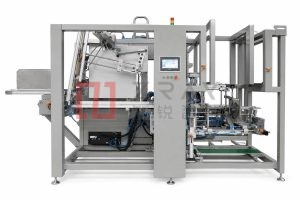
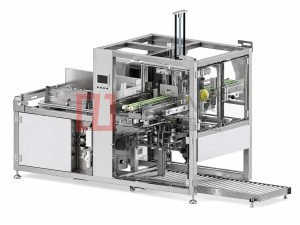
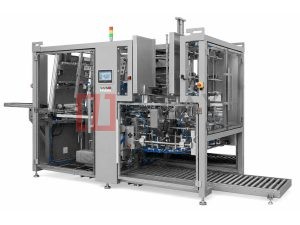
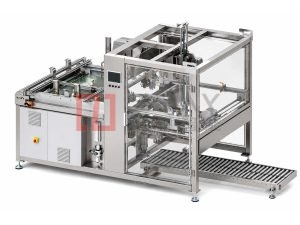
For medium-volume plants, the Single-Piece Case Erector is the platform our field team sees the fewest mystery jams on, because the squaring station design tolerates slight board variation. If you run heavy or double-wall board, the Three-Piece Case Erector keeps flap control separate, which removes most folder-related jams entirely.
Send your alarm history and board samples to [email protected] or WhatsApp +86 13681839278. Our engineers reply within 24 working hours with a cause ranking and fix plan — or start a quote through the contact page.
Want To Know More About Our Upgraded Machines?
Send your carton specifications and output demand, our engineer will provide free technical scheme & quotation
Latest Products
Subscribe To Get Latest News & Technical Guides
Leave your business email to receive free industry articles and new product updates